+91 99980 88430 | +91 95589 17778
  info@convello.in | sales@convello.in
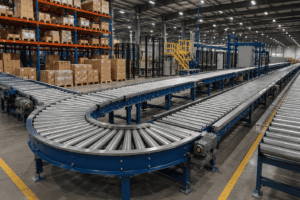
A practical buyer’s guide to price ranges, specifications, GST, installation expenses and quotation comparison.
Searching for the exact conveyor system cost in India can be frustrating because two conveyors of the same length may have completely different capacities, materials, drives, controls and safety requirements. A 10-metre gravity roller conveyor for cartons is not comparable to a PLC-controlled stainless-steel line with sensors, transfers, guarding and machine integration.
In 2026, online Indian supplier listings show small, basic conveyor units starting around ₹15,000-₹25,000, while telescopic, heavy-duty pallet, spiral and fully automated systems can run into several lakh or more than ₹20 lakh. The right budget therefore begins with the application, not the length alone.
This guide explains indicative 2026 price bands for the most common industrial conveyor types, the specifications that change the final quotation, expenses that buyers often miss and the information a manufacturer needs to prepare an accurate proposal.
| Important: All price bands in this guide are indicative and based on publicly available Indian supplier listings checked in August 2026. They are not a Convello quotation. Prices may be quoted per metre, per section, per unit or per complete project, and some listings include GST while others do not. |
What Is the Conveyor System Cost in India in 2026?
As a quick budgeting rule, many standard light- to medium-duty belt and roller conveyor sections are advertised in the range of roughly ₹18,000 to ₹36,000 per metre. Basic complete units may start around ₹25,000, while powered, stainless-steel, high-capacity or automation-ready systems rise quickly as drives, controls, safety devices, supports and installation are added.
Special-purpose equipment has a much wider range. Portable truck-loading conveyors are commonly advertised around ₹1.2 lakh to ₹6.9 lakh, telescopic belt conveyors around ₹5 lakh to ₹18.55 lakh or more, and screw conveyors around ₹35,000 to ₹2.35 lakh or more. Assembly-line, slat-chain, pallet and spiral systems are usually priced according to the complete engineered scope rather than length alone.
| Budget shortcut: For early planning, separate the project into seven cost buckets: conveyor equipment + drive and controls + safety + supports and integration + freight + installation and commissioning + GST and initial spares. |
Industrial Conveyor System Price Snapshot – India 2026
The following figures are best treated as starting points for commercial discussion. Online listings are not standardized, so a lower rate may exclude the motor, panel, supports, guards, installation or freight.
| Conveyor type | Indicative 2026 price band | Main variables |
| Belt conveyor | ₹18,000-₹36,000 per metre for many standard listings; complete units from roughly ₹25,000 to ₹8,00,000+ | Belt width and grade, frame material, incline, load, drive, VFD, sensors and guarding |
| Gravity / powered roller | ₹12,000-₹28,000 per metre for common gravity or industrial sections; powered units often ₹25,000-₹85,000+ | Roller diameter and pitch, frame, chain/belt drive, zones, accumulation and controls |
| Flexible / expandable roller | ₹13,000-₹55,000 per metre; powered versions may be around ₹50,000 per metre or more | Expanded length, width, load, roller material, castors and powered operation |
| Portable truck-loading conveyor | ₹1,20,000-₹6,90,000 | Length, belt width, hydraulic height adjustment, mobility, bag/carton load and duty cycle |
| Telescopic belt conveyor | ₹5,00,000-₹18,55,000+ | Boom stages, retracted/extended length, belt width, lift, operator platform and controls |
| Screw conveyor | ₹35,000-₹2,35,000+ | Length, screw diameter and pitch, capacity, mild steel vs stainless steel, sealing and feeder design |
| Assembly-line conveyor | ₹1,00,000-₹7,20,000+ | Workstations, lighting, electrification, pneumatic stoppers, pallets, fixtures and PLC integration |
| Slat-chain conveyor | ₹50,000-₹6,00,000+ for many industrial systems | Slat and chain material, curves, load, speed, lubrication, guarding and line complexity |
| Pallet conveyor | ₹50,000-₹5,50,000+ for commonly listed modules; automated systems are project-priced | Pallet load, roller/chain type, transfers, turntables, accumulation zones and AS/RS integration |
| Spiral / vertical conveyor | ₹2,00,000-₹5,00,000+ for basic listed systems; specialized systems can be far higher | Vertical rise, footprint, belt or slat type, capacity, controls, safety enclosure and access |
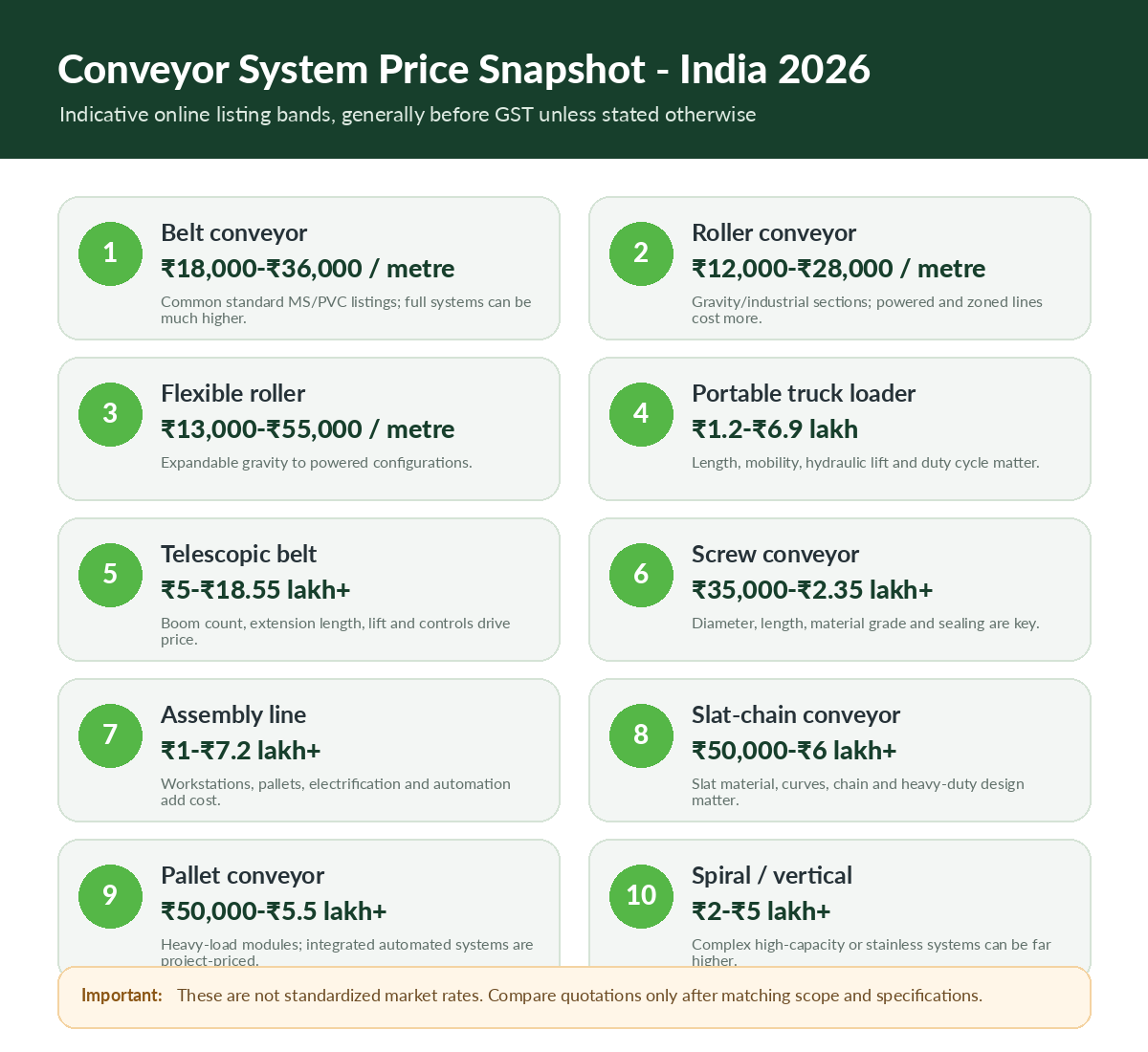
Figure 1. Indicative online listing bands compiled for preliminary 2026 budgeting. See the editorial sources at the end of this document.
Why Conveyor System Prices Vary So Much
A conveyor is not a single commodity. It is an engineered combination of mechanical structure, conveying surface, drive components, controls, supports, safety devices and site integration. A supplier can quote a low “per metre” price for the bare mechanical section while another quote includes a geared motor, VFD, panel, sensors, emergency stops, installation and commissioning. The totals cannot be compared until the scope is aligned.
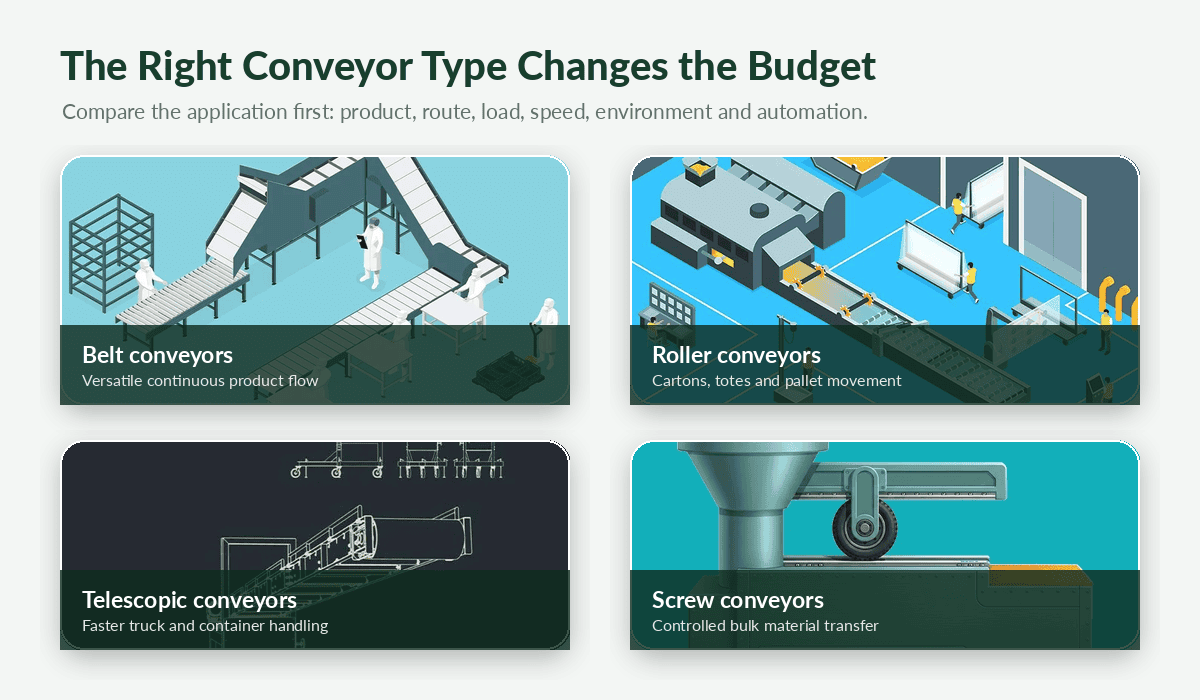
Figure 2. Different conveyor applications require different mechanical designs and therefore different budgets. Product illustrations: Convello.
For example, a standard belt conveyor system can handle a wide variety of products, while a roller conveyor system is generally most suitable for cartons, totes, pallets and other stable flat-bottom loads. Telescopic belt conveyors add extendable boom sections for truck and container handling, while screw conveyors use an enclosed rotating screw to move powders, granules and other bulk materials. Each design has a different component and engineering cost structure.
Detailed Conveyor Cost by Type
1. Belt Conveyor Cost in India
Belt conveyors are among the most versatile options for factories, warehouses, packaging lines and loading applications. Current Indian listings show standard flat or inclined belt conveyors around ₹18,000 to ₹36,000 per metre in several configurations, while complete units range from approximately ₹25,000 to ₹8,00,000 or more depending on capacity and automation.
A narrow PVC belt with a mild-steel frame and simple fixed speed is at the lower end.
PU, modular plastic, heat-resistant, oil-resistant, cleated or food-grade belts increase material cost.
Stainless-steel construction, washdown design and hygienic details increase fabrication and finishing work.
Inclines, curves, side guides, hoppers, chutes, weighing, metal detection and machine interfaces add to the total.
2. Roller Conveyor Cost in India
Gravity roller conveyors are often cost-effective for cartons and flat-bottom items because the load moves by manual push or gravity. Powered roller conveyors use motors, chains, belts or motorized rollers and are better suited to controlled flow, accumulation and automated routing. Listings commonly show gravity or industrial roller sections around ₹12,000 to ₹28,000 per metre, while powered units are often advertised around ₹25,000 to ₹85,000 and can rise to several lakh for long, zoned or PLC-controlled systems.
Closer roller pitch increases the number of rollers and bearings required.
Heavy pallet loads require larger rollers, stronger shafts, thicker frames and more robust drives.
Curves, pop-up transfers, stops, weigh stations and accumulation zones add mechanical and control components.
3. Flexible and Expandable Roller Conveyor Cost
Flexible conveyors are useful where the route changes frequently or the conveyor must extend into a loading area. Indian listings range from roughly ₹13,000 per metre for basic expandable gravity units to about ₹38,500-₹55,000 per metre for heavier or powered configurations. Width, expanded length, load capacity, roller material, castors and drive system make a significant difference.
4. Portable Truck-Loading Conveyor Cost
Portable truck-loading conveyors are typically wheel-mounted and may include an inclined belt, hydraulic height adjustment or a bag-stacking arrangement. Available Indian pricing guides and listings indicate approximately ₹1.2 lakh to ₹6.9 lakh. A simple short portable unit can be less expensive, while long heavy-duty systems designed for bags, cartons or dusty materials sit toward the upper end.
5. Telescopic Belt Conveyor Price in India
Telescopic conveyors are designed to extend inside trucks and containers, reducing the walking and carrying distance for operators. Current listings commonly fall between ₹5 lakh and ₹18.55 lakh or more. The largest price drivers are the number of boom stages, extension length, belt width, lift mechanism, operator platform, safety devices, controls and required loading rate.
6. Screw Conveyor Cost in India
Screw conveyors are used for powders, grains, cement, chemicals, food ingredients and other bulk materials. Public listings show a wide range, from roughly ₹35,000 for basic units to ₹2.35 lakh or more for longer stainless-steel systems. A sealed food-grade conveyor with a large screw diameter, special inlet and outlet, inspection access and cleanability requirements will cost considerably more than a short mild-steel unit.
7. Assembly-Line and Slat-Chain Conveyor Cost
Assembly-line conveyors are priced around the complete workstation concept. Several Indian listings place basic to medium systems between roughly ₹1 lakh and ₹7.2 lakh or more. Lighting, tool rails, electrical sockets, anti-static pallets, pneumatic stoppers, fixtures, work instructions, return tracks and PLC logic can all be part of the scope.
Slat-chain conveyors are commonly used for bottles, rigid containers, appliances, automotive parts and heavier products. Basic or small systems may begin around ₹50,000-₹1 lakh, while customized industrial lines are frequently advertised around ₹2 lakh-₹6 lakh or more. Large chassis or heavy manufacturing conveyors can be substantially higher.
8. Pallet and Spiral Conveyor Cost
A pallet conveyor system is engineered for heavy unit loads, routing, accumulation and transfer. Common online listings range from roughly ₹50,000 to ₹5.5 lakh for individual systems or modules, but multi-zone lines with chain transfers, turntables, lifts, sensors, PLC control, robotic integration or AS/RS interfaces are normally quoted as complete projects.
Basic spiral or vertical conveyor listings are often around ₹2 lakh-₹5 lakh, but tall, high-capacity, stainless-steel or specialized food-processing systems can run far higher. The correct comparison is the cost per unit of vertical throughput and floor space saved, not only the purchase price.
10 Factors That Affect Conveyor System Cost
Conveyor type and route: Straight conveyors are simpler than curves, merges, transfers, spiral routes, inter-floor movement or telescopic extensions.
Length, width and elevation: More length means more frame, belt, rollers, supports and cabling. Greater width and height changes also increase structural requirements.
Product dimensions and weight: The smallest, largest, lightest and heaviest products determine roller pitch, belt type, frame strength and drive capacity.
Throughput and duty cycle: Higher speed, accumulation, continuous operation and multiple shifts may require stronger drives, better bearings, cooling and redundancy.
Material of construction: Mild steel is generally more economical than stainless steel. Aluminium profiles, special coatings, galvanized finishes and hygienic fabrication change the budget.
Conveying surface: PVC, PU, rubber, modular plastic, wire mesh, rollers, slats and chains have different costs and maintenance needs.
Motor, gearbox and speed control: Motor capacity, gearbox brand, brake motor, VFD, servo control and energy-efficiency requirements affect both capital and operating cost.
Automation and integration: PLCs, sensors, scanners, barcode readers, vision systems, weighing, reject mechanisms and upstream/downstream machine signals add engineering and commissioning time.
Safety and access: Guards, emergency stops, pull cords, interlocks, covers, handrails, platforms and maintenance access should be included from the start rather than treated as optional extras.
Installation and project scope: Design, drawings, site measurement, packing, freight, unloading, installation, electrical work, commissioning, training, warranty and spares may be included or excluded depending on the quotation.
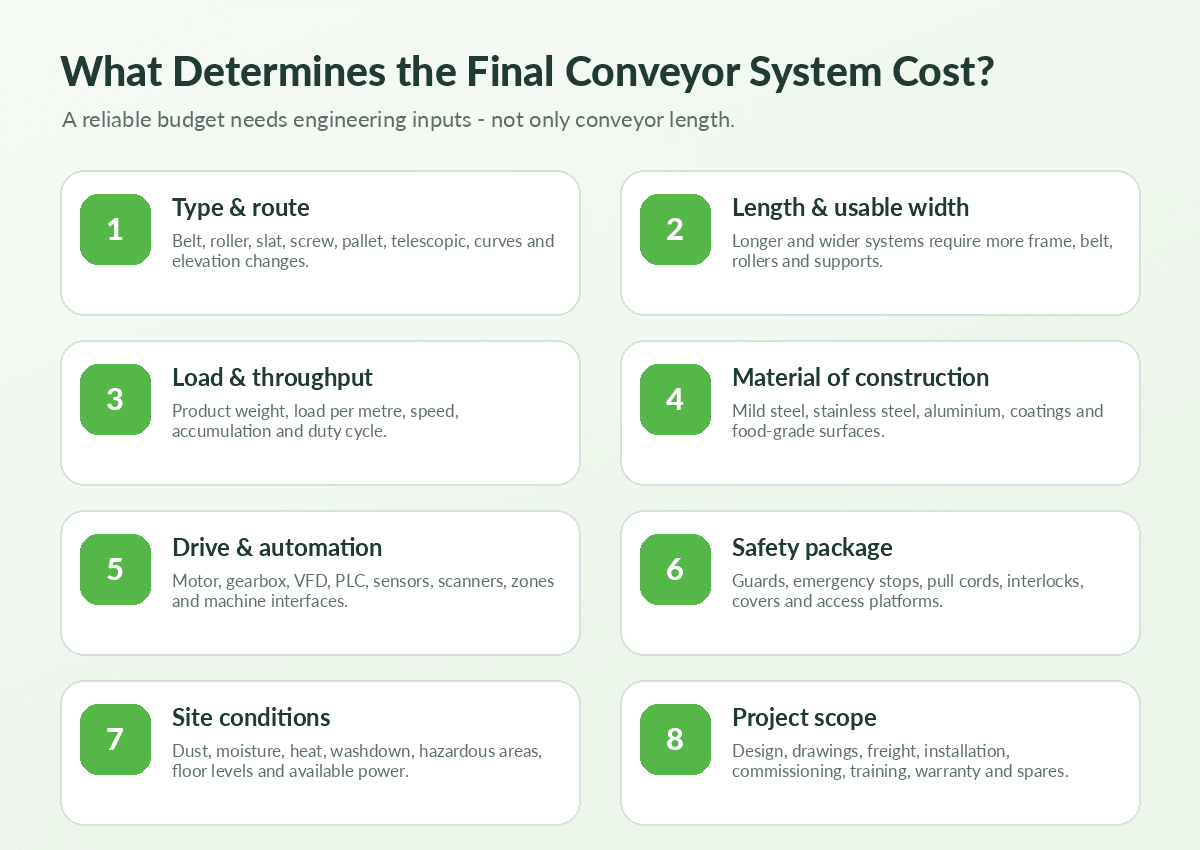
Figure 3. The final price depends on the complete mechanical, electrical and site scope.
GST and Other Costs Buyers Often Miss
GST on Conveyor Machinery
The CBIC GST rate table lists HSN 8428 – other lifting, handling, loading or unloading machinery, including conveyors – at 18% GST (9% CGST plus 9% SGST, or 18% IGST). The exact classification and tax treatment should still be confirmed on the supplier’s invoice, particularly where installation, civil work or other services form part of the contract.
Additional Project Costs
Packing, transport and transit insurance
Unloading equipment, forklift, crane or rigging
Civil foundations, floor repairs, mezzanine openings or structural supports
Electrical cable, trays, isolators, panels and power availability
Installation labour, travel, accommodation and site supervision
Testing, commissioning, operator training and documentation
Recommended spare belt, rollers, bearings, sensors, chains and wear parts
Annual maintenance contract and preventive maintenance visits
Production shutdown time and coordination with existing equipment
| Quotation check: Ask whether the quoted price is ex-works, FOR destination or installed and commissioned. Also confirm whether GST, freight, unloading, civil work, electrical work, travel and accommodation are included. |
Illustrative Conveyor System Budget Example
Consider a hypothetical 10-metre, 600 mm wide mild-steel belt conveyor for cartons with a PVC belt, geared motor, VFD, basic sensors, emergency stops, supports and on-site commissioning. This is only a budgeting example, not a quote.
| Cost component | Illustrative amount |
| Mechanical conveyor sections | ₹2,50,000 |
| Motor, gearbox and VFD | ₹65,000 |
| Control panel, sensors and emergency stops | ₹75,000 |
| Supports, guides, guarding and integration | ₹45,000 |
| Freight, installation and commissioning | ₹65,000 |
| Subtotal before GST | ₹5,00,000 |
| GST at 18% | ₹90,000 |
| Illustrative project total | ₹5,90,000 |
If the same conveyor required stainless steel, a food-grade belt, washdown construction, multiple transfers, PLC integration or a difficult installation, the total could increase substantially. A stripped-down fixed-speed line with minimal automation could be lower.
How to Reduce Conveyor Cost Without Sacrificing Reliability
Provide accurate product and layout data before quotation. Clear inputs reduce design contingencies, revisions and site surprises.
Standardize widths, heights and components across the line where possible. Multiple custom sizes increase fabrication and spares complexity.
Use the right material, not automatically the most expensive one. Mild steel with a suitable finish may be adequate in a dry industrial environment, while stainless steel is justified for hygiene, corrosion or washdown needs.
Separate essential automation from future upgrades. Design the panel and structure for expansion, but add non-critical scanners, reporting or routing functions in phases if the immediate ROI is weak.
Avoid under-specifying the conveyor. A system that fails under real load, speed or duty cycle creates downtime and replacement cost that can exceed the original saving.
Compare lifecycle cost. Energy use, belt or roller life, availability of spares, maintenance access and local service support matter over the full operating life.
How to Compare Conveyor Quotations Correctly
The lowest number is not necessarily the lowest project cost. Ask every supplier to quote against the same requirement sheet and confirm the following items in writing:
| Comparison area | What should be confirmed |
| Mechanical scope | Total length, usable width, conveyor height, route, supports, guides, chutes, curves and transfers |
| Product data | Minimum/maximum product dimensions, unit weight, load per metre and throughput |
| Materials | Frame grade and thickness, finish, belt/roller/slat specification and bearing type |
| Drive package | Motor and gearbox make, power, service factor, brake, VFD and speed range |
| Controls | Panel, PLC/relay logic, sensors, scanners, interfaces, cable and field wiring |
| Safety | Guards, covers, emergency stops, pull cords, interlocks, labels and access |
| Commercial scope | GST, freight, packing, unloading, installation, travel, commissioning and training |
| Support | Drawings, manuals, warranty, response time, recommended spares and AMC options |
| Schedule | Design approval, manufacturing lead time, dispatch, installation window and acceptance test |
Information Needed for an Accurate Conveyor Quote
A manufacturer can prepare a much more reliable proposal when the enquiry includes the operating requirement, not only “10 metres of conveyor.” Share as many of the following details as possible:
Product name, photographs and packaging type
Minimum and maximum length, width and height of the product
Minimum and maximum unit weight; total load per metre if products accumulate
Required throughput per minute, hour or shift
Approximate conveyor route, total length, usable width and working height
Incline angle, floor-to-floor height or truck/container dimensions where applicable
Operating environment: dry, dusty, hot, cold, corrosive, washdown, food or pharmaceutical
Preferred structure and conveying surface, if already specified
Available electrical supply and preferred speed control
Required sensors, PLC, barcode/vision, weighing or machine integration
Site location, access restrictions, shutdown window and installation expectation
Layout drawing, hand sketch, photos or a short process video
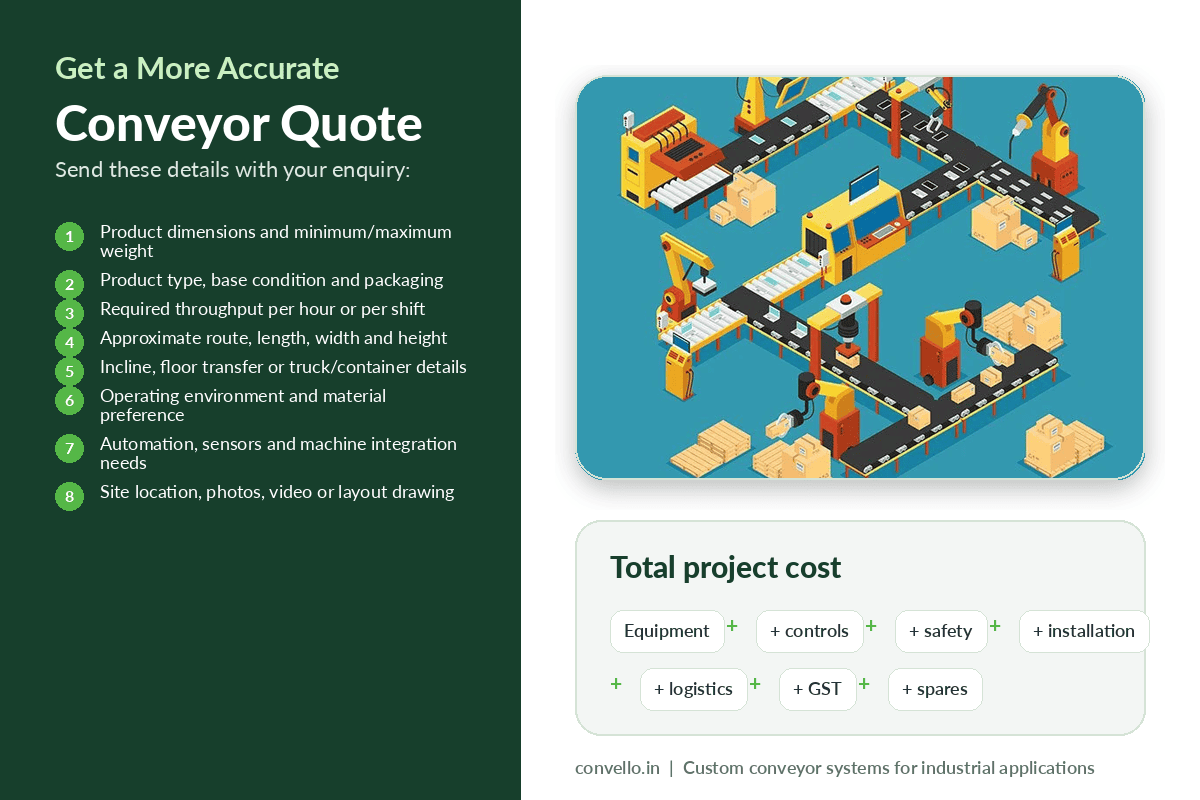
Figure 4. A complete requirement brief helps the manufacturer reduce assumptions and quote more accurately.
When Is a Custom Conveyor Worth the Extra Cost?
A standard conveyor can be suitable when the route is straight, the product is consistent and the handling requirement is simple. Custom engineering becomes valuable when the system must solve a process bottleneck, connect multiple machines, handle irregular or heavy products, operate in a hygiene-sensitive environment, move between levels, reduce loading labour or integrate with sensors and controls.
The business case should consider throughput, labour reduction, product damage, ergonomic risk, floor-space utilization, safety, downtime and future expansion. A better-engineered line may have a higher purchase price but a lower cost per unit handled over its operating life.
Get a Project-Specific Conveyor System Quote
Convello designs custom conveyor solutions for manufacturing, warehousing, logistics, e-commerce, food-processing and FMCG applications. The product range includes belt, roller, telescopic, assembly-line, pallet, screw, slat-chain, curved, inclined and other material-handling conveyors. To receive a project-specific recommendation, share your conveyor requirement with Convello.
| For a faster response: Send product size and weight, throughput, layout or photos, route length, height changes, operating environment, automation needs and project location with your enquiry. |
Frequently Asked Questions
How much does a conveyor system cost per metre in India?
Many standard belt and roller conveyor listings fall around ₹12,000-₹36,000 per metre, depending on type and specification. Flexible powered conveyors may be around ₹50,000 per metre or more, while pallet and heavy-duty systems can also have higher per-metre rates. Always confirm what the rate includes.
What is the cheapest type of conveyor?
A simple gravity roller conveyor or basic fixed-speed belt conveyor is often among the most economical options for suitable products. The cheapest choice depends on the product base, route, incline, load and required control.
Why do two conveyor quotations have very different prices?
One quotation may cover only mechanical sections, while another includes motor, gearbox, VFD, panel, sensors, guards, supports, freight, installation and commissioning. Material grade, load capacity, speed and warranty can also differ.
What is the telescopic conveyor price in India?
Public 2026 listings commonly show telescopic belt conveyors from roughly ₹5 lakh to ₹18.55 lakh or more. The extension length, boom stages, belt width, lift, platform, controls and duty cycle determine the final price.
Is GST included in conveyor prices?
Not always. CBIC lists conveyor machinery under HSN 8428 at 18% GST, but online listings may show ex-GST or GST-inclusive prices. Confirm the invoice classification and tax amount with the supplier.
Does a conveyor quotation include installation?
It depends on the commercial terms. Some suppliers quote ex-works equipment only, while others include freight, installation and commissioning. Ask for a clear inclusion and exclusion list.
How long does it take to manufacture a custom conveyor?
Lead time depends on engineering approval, material availability, automation complexity, testing and site schedule. A supplier should provide separate dates for drawing approval, manufacturing, dispatch and installation.
How can I get an accurate conveyor quote?
Provide product dimensions and weight, throughput, route and length, incline or floor changes, operating environment, power supply, automation needs, site location and photos or a drawing. The more complete the requirement, the fewer assumptions the supplier must make.
Final Takeaway
The conveyor system cost in India cannot be judged by length alone. For a realistic 2026 budget, define the product, load, throughput, route, material, automation, safety and site scope first. Then compare quotations on the same technical and commercial basis. This approach reduces unexpected costs, prevents under-specification and helps the selected conveyor deliver a stronger long-term return.